Embroidery in Suit Fashion: Tradition Meets Modern Style
Intro
Embroidery on suits isn't just a splash of color or a mere decorative element; it represents a rich tapestry woven with history and modern innovation. The allure of embroidered suits captivates not only fashion enthusiasts but anyone who appreciates craftsmanship.
In this exploration, we will peel back the layers, examining how embroidery has danced through time, melding tradition with contemporary designs. It engages both the artist and the wearer, offering an avenue for self-expression and individuality. Whether you are a stylist, a designer, or merely a shopper with an eye for detail, understanding the nuances of embroidery can elevate your sartorial choices.
As we navigate through this article, you will discover insights into various styles, techniques, and trends that accompany the world of embroidered suits. Furthermore, we will discuss the practical side of incorporating these elements into your wardrobe, ensuring that you find not just beauty, but also functionality in each stitch.
Historical Context of Embroidery in Fashion
Embroidery has long been a sacred art in the realm of fashion, threading its way across the ages with narratives that reflect cultural traditions, advancements in techniques, and changing styles. To truly appreciate the role of embroidery in suit fashion, it’s essential to unpack its historical background. This exploration reveals how embroidery has transitioned from a simple decorative technique to a staple in elevated menswear, making it integral for designers and stylists today.
Origins of Embroidery in Clothing
The roots of embroidery spring from the deep valleys of human creativity and expression. Historians point out that the practice of adorning garments with thread can be traced back thousands of years to ancient civilizations. For instance, ancient Egyptians often embroidered their clothing with intricate designs, often using colors symbolizing different deities or social statuses. Similarly, during the Byzantine Empire, clothing with metallic threads and gemstones became a sign of wealth and prestige.
What’s fascinating is how widely embroidery spanned different cultures. From the Chinese silk thread embroideries that told stories of mythical beasts to the Indian zardozi, which intricately featured gold or silver threads, each culture infused unique meanings into their stitches. This cultural melting pot set the stage for future use of embroidery in fashion, allowing techniques to evolve as global exchange picked up speed.
The Role of Embroidery in Suit Culture
Fast forward to the 19th century and suits, initially designed for functional purposes, began embracing embroidery. In Europe, affluent gentlemen sported embroidered lapels and cuffs as a display of sophistication and taste. This period also marked the birth of tailoring as an art form where the needle became an extension of a craftsman’s vision.
Embroidery in suits today serves multiple roles. Primarily, it acts as a welcome differentiator among the sea of solid fabric suits. Where once the soul of a suit resided in its cut and fabric, embroidery brings a layer of personality that speaks volumes about the wearer. Additionally, bespoke designers often create unique motifs that tell a personal story, thereby merging tradition with individual expression.
Evolution of Techniques Over Centuries
Over centuries, the techniques of embroidery have evolved significantly. From simple hand-stitching with basic thread to the sophisticated machine embroideries we see now, each advancement tells a tale of human innovation. Early embroiderers relied heavily on basic stitches like satin and chain stitches, crafting designs one careful stitch at a time. With the advent of the 20th century, technology took the lead, bringing forth machine embroidery that allowed for greater precision and complexity.
While mass production shifted the landscape, many artisans today strive to blend these age-old techniques with modern touches. For example, intricate 3D embroidery techniques add depth and texture to suit designs, while digital embroidery allows for unprecedented detail in patterns. Thus, the marriage of old and new not only preserves the essence of embroidery but also encourages creativity in its application.
Today, embroidery is not just an embellishment for suits; it’s a form of personal expression that merges tradition with contemporary styles.
Types of Embroidery Suitable for Suits
Embroidery can infuse a suit with a personality that's distinctly yours, merging the legacy of tradition with modern aesthetics. In the world of menswear, the type of embroidery chosen can significantly affect not just the visual appeal but also the texture and overall vibe. Understanding these nuances is critical for Stylists, designers, and anyone with a keen eye for fashion.
Hand-Embroidered vs. Machine-Embroidered
When it comes to embroidery techniques, a distinction often emerges between hand and machine methods.
Hand-embroidered designs showcase an artisanal quality. Each stitch carries a human touch, reflecting meticulous attention to detail. A suit adorned with hand embroidery often tells a story of craftsmanship and individuality. For instance, a tailored blazer embellished with intricate floral motifs may appeal to those who wish to convey a sense of heritage or a personal narrative. Plus, hand embroidery can be fully customized—ideal for those seeking a bespoke suit that stands out.
On the flip side, machine-embroidered suits are a marvel of efficiency and precision. Using computerized embroidery machines, tailors can reproduce complex designs quickly and consistently. This method can offer a wide range of styles, from simple monograms to elaborate patterns that maintain uniformity across several pieces. For busy individuals opting for professional attire, machine embroidery might present a more practical option without sacrificing quality.
Stylized Patterns and Motifs
Patterns play a vital role in how embroidery enhances a suit. Choosing the right motif can reflect personal taste or cultural significance.
Consider classic designs like paisleys or chevrons, which can create a timeless aesthetic when embroidered on lapels or cuffs. Alternatively, more avant-garde patterns might appeal to those wishing to push the boundaries of conventional tailoring. Abstract shapes or geometric designs can make a bold statement on a contemporary suit.
It's essential to consider how these stylized patterns interplay with the suit's fabric and cut. For example, a linen suit paired with relaxed, organic shapes can complement its natural texture, while a structured wool suit might better suit sharper, defined patterns.
Color Palettes and Fabric Considerations
The color palette chosen for the embroidery can either enhance or undermine the overall suit appearance.
Muted tones often complement formal wear, lending a sophisticated air. Think subtle shades of gold or silver stitching on navy or charcoal suits, which can add just the right amount of shimmer without becoming ostentatious. On the other hand, bolder hues might resonate with a more playful or fashionable audience. Bright reds or deep greens can inject a certain vivacity into an otherwise traditional ensemble.

When considering fabric, one must remember that not all materials hold up equally well under embroidery. Heavier fabrics like wool can support intricate designs without warping, while lighter materials such as silk may require simpler, less bulky stitching to avoid damage. It’s a balancing act—marrying design ambition with practical application.
"Choosing the right embroidery is like selecting the perfect accent for an outfit—subtle yet powerful."
Choosing the Right Embroidery for Your Suit
Choosing the right embroidery for a suit is a crucial aspect that can greatly influence the overall aesthetic and personality of the garment. When you select the embroidery style, you’re not just making a decorative choice but also expressing individual style and sophistication. The embroidery should complement not only the fabric but also the occasion, ensuring you reflect the right image, whether at a business meeting, wedding, or a casual outing. So, let's delve into what makes the selection process vital.
Matching Embroidery with Suit Fabrics
When it comes to embroidery, the fabric of the suit plays a significant role in determining the type of design fit for it. Different fabrics exhibit varying levels of durability and texture, which can affect how the embroidery appears and performs over time.
- Wool: Often favored for its warmth and versatility, wool suits pair well with a variety of embroidery designs. For instance, subtle tonal patterns, like paisleys or family crests, can enhance the classic look without overwhelming it.
- Cotton: A lighter fabric that often suits casual settings, cotton allows for bolder embroideries. Think geometric shapes or colorful floral motifs that add vibrancy, reflecting a more relaxed style.
- Silk: The luxurious appearance of silk lends itself to finer, intricate embroidery, such as delicate threads or minimalist designs that highlight the fabric’s sheen.
In summary, understanding the fabric's characteristics helps in choosing the right style and thread type, ensuring that the embroidery not only looks good but also holds up under wear.
Considerations for Formal vs. Casual Suits
Not all suits are created equal when it comes to formality. The context influences the suitability of the embroidery. For those seeking business attire, more understated and elegant designs are typically preferred. A small lapel design or initials on the breast pocket can convey professionalism while also being personal.
On the other hand, casual suits open the door for more vibrant and playful embroidery choices. Here, you can have fun with oversized designs, seasonal motifs, and even playful colors. Just remember that balance is key. For example:
- Formal Suits: Stick to classic designs and colors like navy or grey with white or gold thread. Clean lines and minimalism are the name of the game.
- Casual Suits: Experiment with colorful threads or quirky graphics, like an embroidered flower on a lighter fabric. This can infuse your style with personality without being too loud.
Choosing the right design relative to the suit’s context helps one make an impression suited to the setting.
Seasonal Trends in Embroidery Patterns
Embroidery trends often shift with the seasons, reflecting not only fashion cycles but also cultural influences. Understanding these trends can help wardrobe planning.
- Spring/Summer: During warmer months, lively and light patterns are in vogue. Floral designs or palm leaves stitched in bright shades can bring an airy feel to suiting. These patterns resonate with refreshment and rebirth, which is quite fitting for spring.
- Autumn/Winter: As the temperature dips, richer hues and textures come into play. Think of embroidery that embraces deeper tones like burgundy or forest green, and motifs that symbolize warmth, such as geometric patterns inspired by traditional textiles.
Staying updated on seasonal trends not only enhances the look of embroidered suits but also keeps your wardrobe lively and fresh. With careful selection, you can ensure your suits resonate with the moments they are worn in.
Techniques for Incorporating Embroidery
In the realm of suits, embroidery serves not just as an decoration, but as a powerful tool for self-expression and artistry. Its incorporation requires a thoughtful approach that balances tradition, style, and wearability. Techniques for embedding embroidery into suit design can vastly enhance the overall aesthetic, making garments feel bespoke rather than off-the-rack. Here, we look closely at three primary techniques that can transform a standard suit into a work of art: placing the embroidery, combining it with other design elements, and layering for added dimension.
Placement Options on the Suit
Choosing where to place embroidery is as vital as the thread used. Traditionally, you might find embellishments on lapels, pockets, or cuffs. However, the options extend beyond these classic spots.
- Lapels: Crowning the lapel with intricate stitching draws the eye upward. This enhancement can bring a flair to an otherwise subdued outfit.
- Pockets: Embroidered designs here can add a touch of personality. Whether opting for a classic floral or a geometric motif, the pocket placement can subtly showcase creativity without overwhelming the suit.
- Back Panels: This area provides an opportunity for more extensive designs. A larger piece can create a statement, particularly for casual or semi-formal wear.
Consider the intended message and audience when selecting placement, as this can drastically alter the perception of the suit. For business meetings, understated placements work best, while social events might lend themselves to more daring or whimsical designs.
Combining Embroidery with Other Design Elements
When integrating embroidery with other fashion elements, the key is cohesion. Designers and stylists should think about how embroidery interacts with fabric texture, patterns, and cuts. Here are a few harmonious combinations:
- Contrast with Patterns: Adding embroidered elements over patterned fabrics can create a vibrant contrast. For example, a paisley pattern punctuated with minimalistic embroidery can feel eclectic yet organized.
- Layering Textures: Pairing embroidered fabrics with smooth ones can make the embroidery pop. Think of merging an embroidered wool suit with a silk shirt; this contrast allows the embroidery to stand out without becoming gaudy.
- Accessorizing with Embroidery: Using accessories, such as embroidered ties or pocket squares, can echo the suit’s embellishments. This approach offers a unified look that is visually appealing without being overbearing.
Through careful combination, embroidery can elevate a suit, fostering a sense of depth and character.
Layering Embroidery for Dimension
Layering isn’t just for fabric; it applies to embroidery as well. This technique can turn a flat piece of work into an eye-catching multi-dimensional artwork. Here’s how to do it:
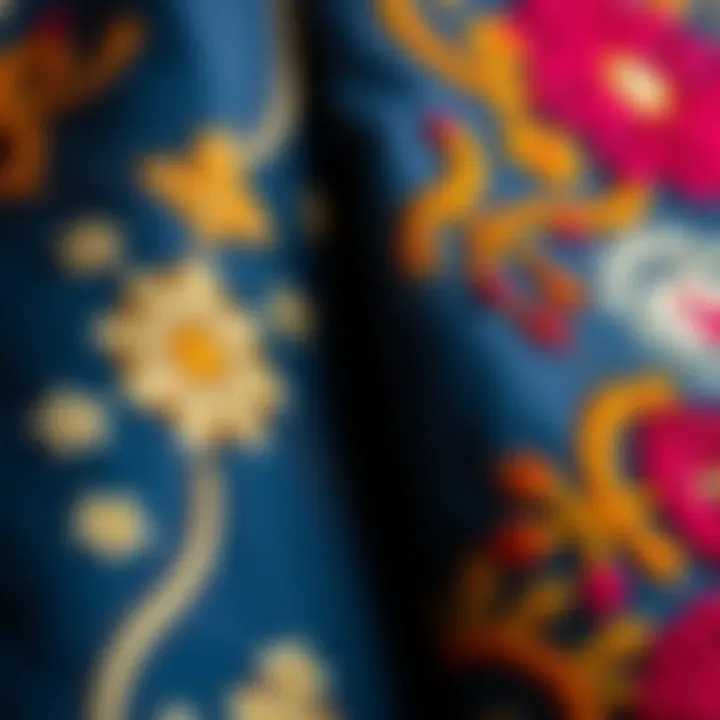
- Different Thread Types: Using threads of varying thickness can create a sense of depth. A mix of fine and thicker threads accentuates certain areas, making designs leap from the fabric.
- Overlapping Layers: Positioning embroidered elements so that they overlap slightly can enhance the three-dimensional effect. This approach requires a fine balance; too much overlap can cause confusion, while too little may lack impact.
- Texturing Through Stitching: Employing different stitching techniques—like satin stitch versus chain stitch—can introduce varied textures that catch the light in diverse ways, making the suit come alive as it moves.
By thoughtfully applying these layering techniques, stylists can provide depth and visual interest, ensuring that each suit stands as not just clothing but a canvas.
Embroidery in suits is about the harmony and beauty that emerges from the very techniques that bring ideas to life.
As we explore these techniques, it's clear that embroidery in suit fashion deserves a nuanced approach. It's an art form, where every stitch and placement contributes to the overarching narrative of style and individuality.
Care and Maintenance of Embroidered Suits
Taking care of embroidered suits is essential for preserving their beauty and integrity. Embroidery adds a unique element to suits but also requires special attention. With the right care, these intricate designs can maintain their quality and remain visually stunning for years. Here, we delve into specific practices that allow you to keep your embroidered suits looking their best while ensuring your investment is well protected.
Washing and Dry Cleaning Guidelines
When it comes to cleaning embroidered suits, some folks might be tempted to toss them in the washer. However, that's not always a good idea.
- Dry Cleaning Recommended: Always opt for dry cleaning over regular washing. This method prevents distortion of those lovely threads and keeps colors vibrant.
- Spot Cleaning First: If there are small stains, use a damp cloth with mild detergent to spot clean. Dab, don’t rub; you don’t want to damage the threads.
- Check Labels: Always follow care labels attached to your suit. Some may specify a particular method of cleaning.
By adhering to these guidelines, you can prevent unnecessary wear and prolong the life of your suit.
Storage Practices to Preserve Quality
Storing an embroidered suit properly is just as important as how you clean it. If you’re shoving it on a hanger without a second thought, you might be doing your suit a disservice. Here are some tips for effective storage:
- Use a Suit Bag: Invest in a breathable garment bag. This protects your suit from dust and potential abrasions.
- Avoid Hangers with Clips: Use wide, padded hangers. Clips can create indentations or pull threads loose.
- Store in a Cool, Dry Place: Keep your suits away from direct sunlight and moisture. Heat and humidity can degrade embroidery and fabric over time.
When the time comes to wear your embroidered suit again, it’ll be fresh and ready to impress.
Repairing Damage to Embroidery
It’s not uncommon for embroidered suits to face a bit of wear and tear. Thankfully, most issues are manageable with proper attention. Here’s how to address some common problems:
- Inspect Regularly: Look for loose threads or tiny snags. Regular inspections can help catch potential issues before they worsen.
- Reinforcing Loose Threads: For any flicks of thread coming undone, you might consider using fabric glue carefully. It’s crucial to use a small amount to avoid clumping.
- Professional Repair: If the damage is significant, seeking help from a tailor or an embroidery specialist is advisable. They have the knowledge to restore not just function but also the aesthetic appeal of your suit.
By following these maintenance hints, you not only preserve the newness of your embroidered suit but also make sure it continues to represent your personal style. Well-maintained suits speak volumes and leave lasting impressions. For further reading on fabric care, check out resources like Wikipedia - Fabric Care or consult professional tailor services.
Cultural Significance of Embroidery in Suits
Embroidery is more than just a decorative element in suits; it holds a rich cultural significance that spans centuries. It reflects identity, tradition, and artistry, making it a vital aspect in modern menswear. Whether it’s familial heritage, regional craftsmanship, or global influence, embroidery weaves stories into the very fabric of a suit. It’s essential to explore how different cultures view embroidery, its underlying meanings, and its evolving presence in fashion today.
Embroidery Across Different Cultures
The practice of embroidery can be traced back to ancient civilizations. From the intricate silk threads of Chinese embroidery representing wealth and status, to the bold patterns of Mexican folk art, each culture has infused its unique story into embroidered designs. In India, for instance, the technique known as Zardozi uses gold and silver threads, symbolizing extravagance and the craftsmanship of artisans. Meanwhile, the traditional Scottish tartan, which blends patterns with distinct colors, conveys family lineage and regional pride.
As globalization takes its toll, these unique styles have begun to merge, creating hybrids that speak to a broader audience. Men’s suits now reflect this diversity, embracing stitching styles from various backgrounds, thus making embroidery a melting pot of cultures.
Symbolism and Meaning in Designs
Understanding the symbolism behind embroidery can add depth to the appreciation of suits adorned with such embellishments. Many designs tell stories—flowers can symbolize growth or love, while geometric patterns might represent unity or infinity. Countries often use specific symbols to convey their cultural ethos; for instance, the lotus flower is revered in many Asian cultures as a representation of purity.
"In the thread and stitch of embroidery, there is a language that transcends spoken words."
Choosing a motif should not be a mere aesthetic decision; it carries a weight of meaning. For those commissioning suits, selecting the right symbols can resonate with personal beliefs or desired impressions, merging fashion with personal narrative.
Trends in Global Fashion
As we pivot our gaze toward modern fashion, embroidery is experiencing a renaissance. Contemporary designers are increasingly incorporating traditional embroidery techniques into custom suits, allowing wearers to make bold individual statements. Events like Fashion Weeks around the world highlight embroidery not only as a technique but as an art form, emphasizing sustainability and personalization.
Additionally, the rise of technology in design allows for innovative embroidery methods, like 3D stitching and digital patterns. This leads to new ways of perception, where classic designs coexist with trend-driven elements, catering to both the traditionalist and the avant-garde.
Today, the merging of historic craftsmanship and digital technology is seen on runways, where suits adorned with embroidered elements tell tales of tradition while embracing modern aesthetics. As fashion continues to evolve, it’s clear that embroidery will remain an important stitch in the fabric of cultural expression, signifying not just style, but identity as well.
Emerging Trends in Embroidery for Suits
The world of fashion is always shifting, and embroidery is no exception. As the lines between tradition and modernity continue to blur in menswear, embroidery for suits has been making quite the name for itself. Let's explore what’s hot and happening in the embroidery landscape, focusing on three key trends that are shaping the future of suit fashion.
Sustainable Practices in Embroidery
In a world increasingly conscious of environmental impact, sustainable practices in embroidery have risen to prominence. Designers are now turning to eco-friendly materials, shifting away from traditional thread types to organic or recycled options. For example, brands have started to utilize water-based inks and dyes, reducing harmful environmental effects.
- Use of Organic Threads: Cotton and linen grown without pesticides are becoming the go-to for the environmentally mindful designer.
- Recycled Fabrics: Mixing recycled polyester or nylon into the embroidery thread helps reduce waste.
- Ethical Labor Practices: Many companies are opting to work with artisans who are paid fairly, ensuring that the craftsmanship is valued and the environment is respected.
This sustainable shift isn’t just about materials; it also encompasses the production process. Techniques such as low-waste cutting and digital embroidery enable precise layouts that minimize offcuts while maintaining high-quality results. The message is clear: dressing well doesn’t have to come at the cost of our planet.
The Rise of Custom Embroidered Suits
Bespoke tailoring has been gaining traction in recent years, with custom embroidered suits now taking center stage. Individuals seeking uniqueness and a personal touch are gravitating towards garments that express their identities. Custom embroidery is more than just a trend; it’s a reflection of personal style. Here’s why this movement is grabbing attention:
- Personalization: From monograms to unique motifs, clients can convey their personality through intricate details.
- Cultural Representation: Many clients are choosing designs that reflect their heritage, celebrating their cultural identities in the process.
- Quality Assurance: Custom-suited embroidery often boasts better craftsmanship, ensuring a higher quality finish that stands the test of time.
Customization has become an essential aspect, pushing boundaries. Designers now offer personalization options that cater to specific client requests, turning the suit into a canvas of self-expression.
Influence of Digital Technology in Design
Technology is reshaping how embroidery is designed and executed. With advancements such as computer-aided design (CAD), the limitations of traditional techniques are fading. Digital embroidery machines can replicate complex patterns with remarkable precision, allowing for more intricate designs and quicker turnaround times. The impact of digital technology can be seen in these areas:
- Enhanced Precision: Digital tools allow for fine-tuning designs, ensuring consistent outcomes across production runs.
- Experimentation: Designers can easily test multiple designs and color schemes, enabling a greater variety of choices without incurring significant costs.
- Faster Production Times: Automated embroidery reduces the time needed to create intricate designs, benefitting both retailers and consumers through quicker delivery.
As technology integrates further into fashion, expect hybrid methods that combine traditional handwork with digital precision, resulting in embroidered suits that are as unique as they are stylish.
Emerging trends in embroidery for suits don’t just reflect a fashion statement; they encapsulate a blend of artistry, sustainability, personalization, and innovation. As this niche continues to expand, those with an eye for detail will find an abundance of options that express individuality while respecting the environment.
Final Thoughts on Embroidery in Suit Fashion
Embroidery has come a long way from being merely decorative stitching on fabric to becoming a powerful medium of personal expression and style in men's suits. This aspect is essential in understanding not just the visual appeal of embroidered suits but also their deeper significance in modern fashion. In this final section, we will explore how embroidery serves as an extension of individuality while heralding both tradition and innovation in suit design.
Personal Expression Through Embroidery
When it comes to suits, embroidery allows individuals to showcase their unique personality. No longer are these garments just uniform or standard; they have evolved into canvases that reflect the wearer’s tastes, stories, and lifestyles.
Choosing an embroidered design is akin to picking out a part of oneself to display. For some, intricate floral patterns may symbolize a love for nature, while others might opt for geometric shapes that express a more modern outlook. The decision is personal and often intentional, nurturing a connection between the attire and the individual.
In the professional realm, an embroidered monogram or logo can convey authority and professionalism. It sets the tone and creates a visual impact during pivotal meetings, giving off a vibe of confidence. Ultimately, embroidery breathes life into every suit—transforming it into a piece of art that tells a story.
The Future of Embroidered Suits
As we gaze into the future, the landscape of suit fashion seems promising with embroidery taking on new dimensions.
Innovations in textile technology are revolutionizing the way embroidery is done. Digital embroidery machines are allowing for ultra-precise patterns and quick turnarounds. This is particularly beneficial for customization, empowering designers to create bespoke pieces that resonate with clients on a personal level.
Furthermore, the growing emphasis on sustainability means that many brands now prioritize eco-friendly materials in their embroidery choices. From organic threads to ethically sourced fabrics, the trend is shifting towards more responsible production practices. For the environmentally conscious consumer, this isn’t just a style statement; it's also a conscious lifestyle choice.
Epilogue: Embracing Embroidery in Style
By incorporating embroidery into suits, individuals have found a unique way to express themselves while also embracing a craft that has deep roots in cultural heritage. As styles continue to evolve and trends fluctuate, the essence of embroidery remains steadfast—a powerful tool of expression, identity, and artistry. This delicate blend of embellishment and fabric ultimately invites wearers to not just dress, but to make a statement.
Adding those finishing touches to a suit via embroidery isn’t merely about aesthetics. It represents a journey of self-discovery and highlights the passion embedded in fashion, making every embroidered suit a piece worthy of admiration and respect.
In the world of fashion, to wear a suit is to wear an identity—embroidery enables that identity to flourish.
For further insights into tailoring and fashion trends, one might explore resources such as Wikipedia or Britannica.
As we step forward, let's embrace embroidery, not just as an adornment but as a celebration of style and a testament to personal expression.